
Why Sleep Hygiene Matters More Than You Think
Sleep is not passive downtime — it is when your brain consolidates memories, your body repairs tissue, and your immune system resets. The Centers for Disease Control and Prevention estimate that one in three American adults regularly falls short of the recommended seven to nine hours. Over time, chronic sleep deprivation raises the risk of cardiovascular disease, type 2 diabetes, obesity, and depression.
The good news: most sleep problems are behavioral, not biological. Small, consistent changes to your daily routine can dramatically improve both sleep quality and duration.
Anchor Your Sleep With a Consistent Schedule
Your body runs on a circadian rhythm — a roughly 24-hour internal clock regulated by light, temperature, and social cues. Going to bed and waking at the same time every day, even on weekends, is the single most powerful thing you can do to stabilize this rhythm.
“Regularity is the foundation of good sleep. The brain loves predictability — it begins preparing for sleep hours before you actually lie down.”
If you currently have an irregular schedule, shift your target bedtime by 15 minutes every few days rather than making a sudden jump. Gradual adjustments are far easier to sustain.
Design a Wind-Down Routine
Your nervous system needs a transition from alertness to rest. A consistent pre-sleep routine signals the brain that sleep is approaching, helping suppress cortisol and boost melatonin. Aim for 30 to 60 minutes of low-stimulation activity before bed:
- Dim household lights an hour before your target bedtime
- Limit screens or use blue-light blocking glasses — blue wavelengths suppress melatonin production
- Try light stretching, reading fiction, or a warm shower or bath
- Write a short to-do list for tomorrow to offload open mental loops
The warm shower tip has solid research behind it: the subsequent drop in core body temperature mimics the natural cooling your body undergoes at sleep onset, accelerating how quickly you fall asleep.
Optimize Your Sleep Environment
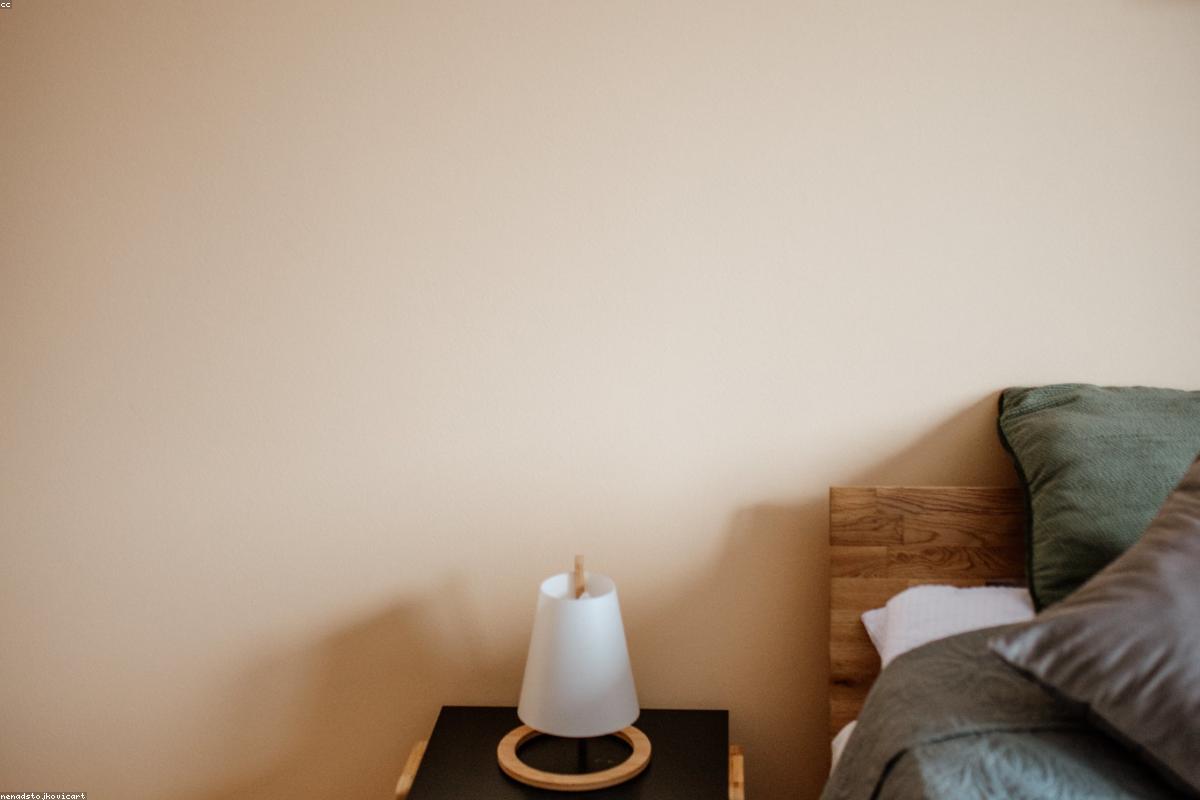
Your bedroom environment directly influences sleep architecture — the cycling through light, deep, and REM sleep stages. Three variables matter most:
- Temperature: The ideal room temperature for most adults is 65–68°F (18–20°C). A cooler room supports the core body temperature drop that triggers deep sleep.
- Darkness: Even small amounts of light can suppress melatonin. Blackout curtains or a sleep mask make a measurable difference.
- Noise: Consistent background sound — a white noise machine or fan — masks disruptive spikes better than silence alone.
Watch What You Eat and Drink After 3 PM
Caffeine has a half-life of roughly five to seven hours, meaning half a 3 PM coffee is still circulating at 10 PM. Alcohol is equally deceptive: while it helps you fall asleep faster, it fragments the second half of your sleep and suppresses REM, leaving you groggy despite a full night in bed.
Heavy meals within two to three hours of bedtime force your digestive system to stay active, which can raise core body temperature and interrupt sleep. A light, carbohydrate-containing snack — like a small bowl of oatmeal or a banana — is fine and may actually support tryptophan availability for serotonin synthesis.
Use Your Bed Only for Sleep
Classical conditioning applies to sleep. If you regularly work, watch TV, or scroll your phone in bed, your brain associates the mattress with wakefulness. Reserving the bed strictly for sleep (and sex) rebuilds the mental link between lying down and drowsiness. This technique, called stimulus control, is a core component of Cognitive Behavioral Therapy for Insomnia (CBT-I), the gold-standard non-pharmacological treatment for chronic insomnia.
Move Your Body — Earlier in the Day
Regular aerobic exercise improves sleep quality, reduces sleep onset latency, and increases slow-wave (deep) sleep. A meta-analysis in Sleep Medicine Reviews found that moderate exercise reduced insomnia symptoms comparably to sleep medication in older adults. Aim for at least 150 minutes of moderate activity per week. Timing matters: vigorous exercise within two hours of bedtime can delay sleep onset for some people, so morning or early afternoon sessions are ideal.
What to Do When You Cannot Fall Asleep
Lying awake and watching the clock activates the stress response, making sleep harder. If you have been awake for more than 20 minutes, get up and do a quiet, non-stimulating activity in dim light until you feel sleepy again. This counterintuitive approach — called sleep restriction in CBT-I — rebuilds sleep pressure and breaks the cycle of anxious wakefulness.
This article is for educational purposes only and does not constitute medical advice.